UK Event Specialists — Est. 2026

Every detail.
Every occasion.
Done properly.

Event Planning manages the full lifecycle of corporate and private events across the UK — from the initial brief through to the final debrief. We handle the complexity so you can be present on the day.

Start a conversation
Open event planner journal with calendar pages and handwritten notes
The reality

Events fail at the seams, not the centre

Most events unravel in the margins — the supplier who wasn't briefed on timing, the room layout that didn't match the AV spec, the schedule that looked fine on paper but collapsed under the weight of three concurrent sessions. These are not dramatic failures. They are quiet ones that accumulate into a day that felt harder than it needed to be.

What changes

Event Planning works from a single coordinated plan that lives in one place and gets shared with every supplier, stakeholder, and venue contact involved. Changes propagate immediately. Nothing falls through because someone wasn't on the right email thread.

  • One point of contact for every moving part
  • Supplier briefs drafted and sent on your behalf
  • Timeline built with buffer, not just optimism
  • On-the-day coordination included as standard

What Event Planning takes care of

Scope varies by occasion — here is where we most often step in.

01

Corporate Conferences & Seminars

Venue sourcing, delegate management, AV coordination, speaker schedules, and post-event reporting. We have managed single-day seminars for 40 attendees and multi-track conferences stretching across three days.

02

Product Launches & Brand Events

Launch events need precise timing and a clear throughline from the brand brief to the guest experience. We work with your comms team to align every touchpoint — from press registration to the moment the curtain goes up.

03

Team Away-Days & Retreats

Logistics-heavy and often underestimated. We handle travel coordination, activity booking, accommodation, catering, and the often-tricky task of designing a schedule that actually gives people time to breathe.

04

Private & Milestone Celebrations

Significant birthdays, anniversaries, and private dinners benefit from the same rigour as corporate events. Guest experience design, catering curation, entertainment coordination — managed with the same structured approach.

05

Venue Finding & Negotiation

Finding the right venue is half the battle. We shortlist based on your brief, carry out site visits, negotiate contracts on your behalf, and flag anything in the small print that typically catches clients out.

06

Supplier & Budget Management

We maintain a working budget tracker from day one and reconcile it against actuals throughout. Suppliers are briefed, invoiced, and chased — so your finance team gets one consolidated statement, not a pile of separate quotes.

The way an event actually gets planned

Planning an event well is not a creative exercise that happens once and then gets handed to a logistics team. It is a continuous back-and-forth between what should happen and what can practically happen — constrained by budgets, supplier calendars, and the specific character of the venue. Here is how we structure that process.

  1. 1

    Brief & Scope Session

    We start with a structured conversation — not a generic intake form. We want to understand the occasion, the audience, the constraints, and what success genuinely looks like for the people involved.

  2. 2

    Planning Document & Timeline

    Every agreed detail gets captured in a shared working document — one version, always current. The timeline includes supplier deadlines, decision checkpoints, and contingency built in at the right moments.

  3. 3

    Supplier Coordination

    We brief each supplier directly, confirm details in writing, and follow up as deadlines approach. You receive updates rather than forwarded email chains.

  4. 4

    On-the-Day Management

    We are on site from setup through to close. Issues get handled before guests notice them. You attend your own event rather than running it.

  5. 5

    Post-Event Review

    A brief written debrief covers what worked, what would be adjusted next time, and final budget reconciliation. Useful if the event repeats, and honest regardless.

Practical notes on event timelines in the UK

A few things worth knowing before you start planning.

UK venue calendars fill up earlier than most clients expect — particularly for dates in September, October, and the period between late November and mid-December. If your event falls in any of those windows, starting the venue search three to four months out is not overcautious; it is realistic.

Corporate events with catering requirements often need a final guest count confirmed at least ten working days before the event — sometimes longer for complex dietary requirements or seated dinners. Building that confirmation point into the project timeline from the start avoids a scramble at the end.

For events requiring AV or production suppliers, getting technical riders and room specifications agreed before contracts are signed saves significant time later. Venues and AV companies frequently have incompatible assumptions about what "included" means.


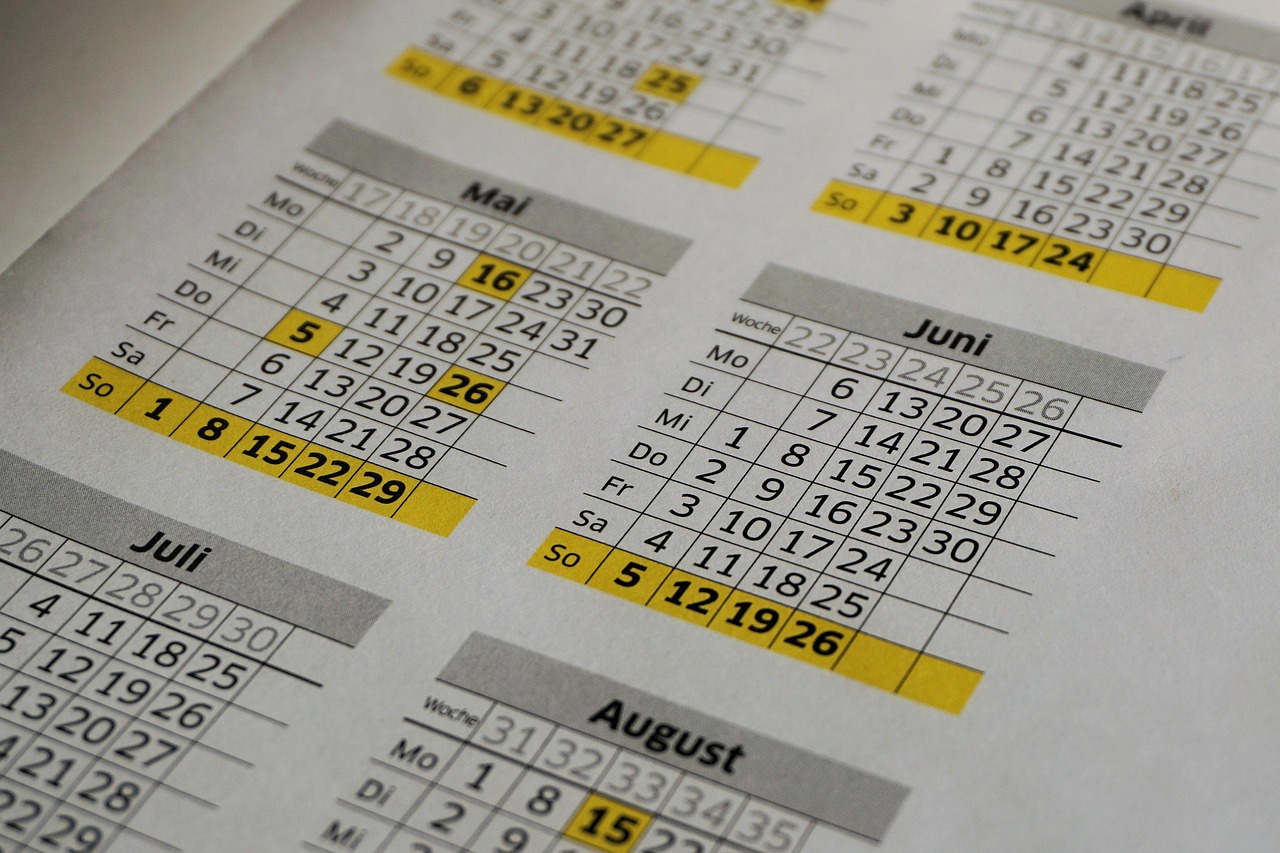
Annual wall calendar pinned in an office showing planning notes and highlighted event dates

Questions people tend to ask first

What types of events does Event Planning manage?

We work across corporate conferences, team away-days, product launches, private celebrations, and multi-day retreats. If it has a schedule, a guest list, and moving parts, we can plan it.

How far in advance should I get in touch?

For larger events we recommend at least three months lead time. Smaller gatherings can often be coordinated within six to eight weeks, depending on venue availability and supplier requirements.

Do you work across the whole of the UK?

Yes. We coordinate events throughout England, Scotland, Wales, and Northern Ireland, and have established supplier relationships in most major cities and rural venues.

Can Event Planning handle both the creative brief and the logistics?

That is exactly how we work. Creative direction and operational detail are handled together — not handed off between separate teams — so the vision and the execution stay aligned.

How is pricing structured?

We work on a project fee basis, scoped after the initial brief session. Some clients prefer a fixed fee for the full project; others retain us on a day-rate for specific phases. We outline the options clearly once we understand the scope.

What if something changes after planning has started?

Events change — that is simply how they work. The planning document and supplier relationships are structured to absorb changes with minimal disruption. Significant scope shifts are discussed openly and the fee is adjusted where that is warranted.

Start a conversation

Tell us about your event — the occasion, the rough date, the scale — and we will come back to you with an honest assessment of what is involved and how we can help.

Your details are used only to respond to your enquiry and are never shared with third parties.